Switch Dataset:
Startup News
We are collecting the most relevant tech news and provide you with a handy archive. Use the search to find mentions of your city, accelerator or favorite startup in the last 1,000 news items. If you’d like to do a more thorough search, please contact us for help.
Search for any keyword to filter the database with >10,000 news articles
Filter
Filter search
Results
| id | date | title | slug | Date | link | content | created_at | feed_id |
|---|---|---|---|---|---|---|---|---|
| 60,385 | 23/11/2026 04:09 PM | UN talks fail to agree rules for ‘killer robots’ and push the issue to 2028 | un-talks-fail-to-agree-rules-for-killer-robots-and-push-the-issue-to-2028 | 23/11/2026 | 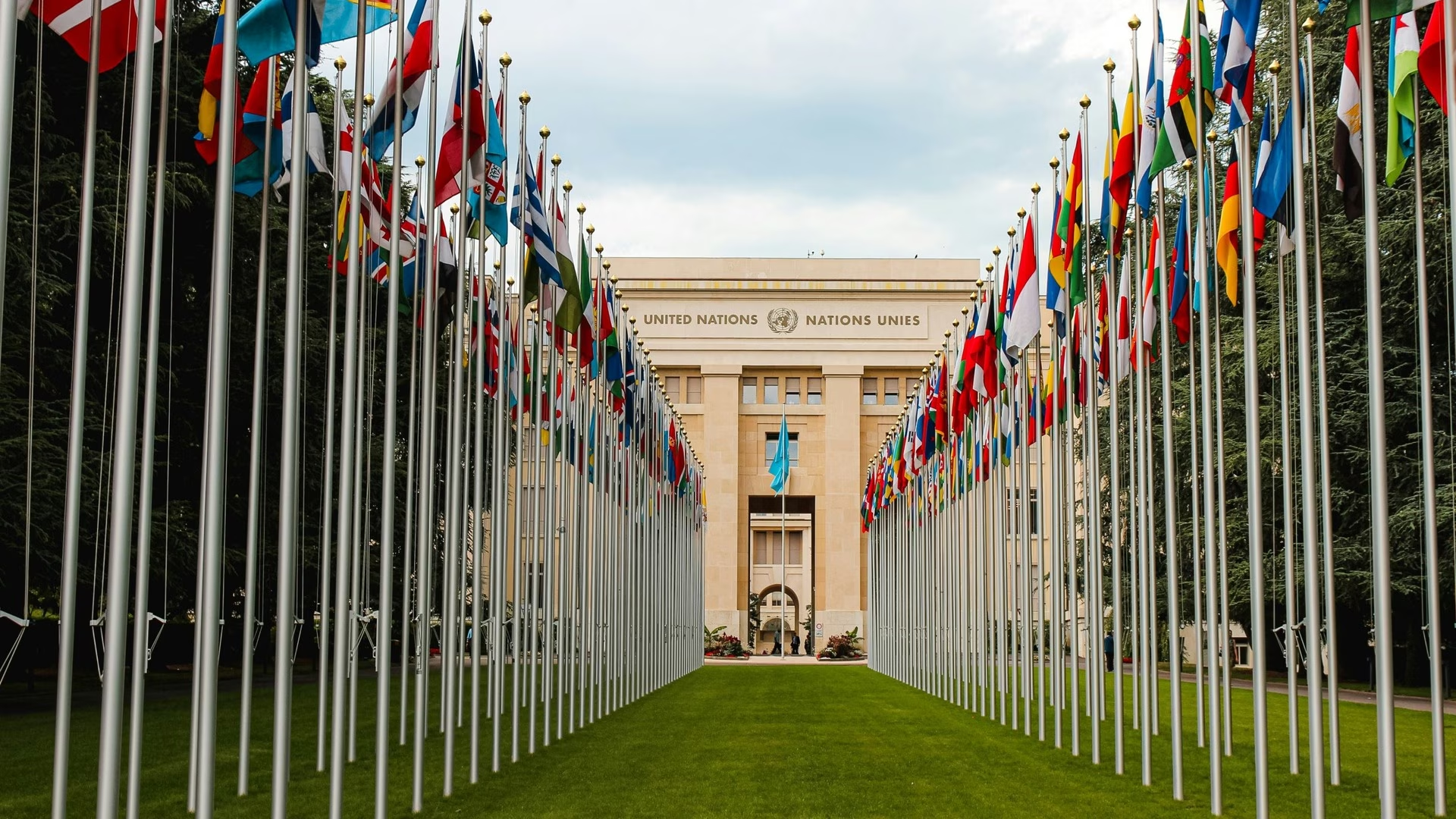 UN talks on regulating lethal autonomous weapons, often called “killer robots”, ended in Geneva on Saturday without a treaty mandate. The 128 countries in the Convention on Certain Conventional Weapons agreed to keep talking until 2028, Politico reported. Under the final decision, countries will “elaborate” an instrument on these weapons under international humanitarian law. A […] This story continues at The Next Web |
23/11/2026 04:10 PM | 3 | |
| 60,386 | 23/11/2026 03:59 PM | Lean and Mathlib certify Alpöge’s Claude-assisted Riemann hypothesis proof | lean-and-mathlib-certify-alpoges-claude-assisted-riemann-hypothesis-proof | 23/11/2026 |  The Lean and Mathlib communities have certified that Levent Alpöge’s Claude-assisted proof of the Riemann hypothesis is correct. In a joint statement on Saturday, the Lean FRO and the Mathlib Initiative said they had full confidence in the proof and congratulated him. “We hereby certify that both the statement and the proof of the Riemann […] This story continues at The Next Web |
23/11/2026 04:10 PM | 3 | |
| 60,387 | 23/11/2026 03:51 PM | Amazon buys Decart’s AI tech and its founders in a deal worth about $7.5bn | amazon-buys-decarts-ai-tech-and-its-founders-in-a-deal-worth-about-dollar75bn | 23/11/2026 | 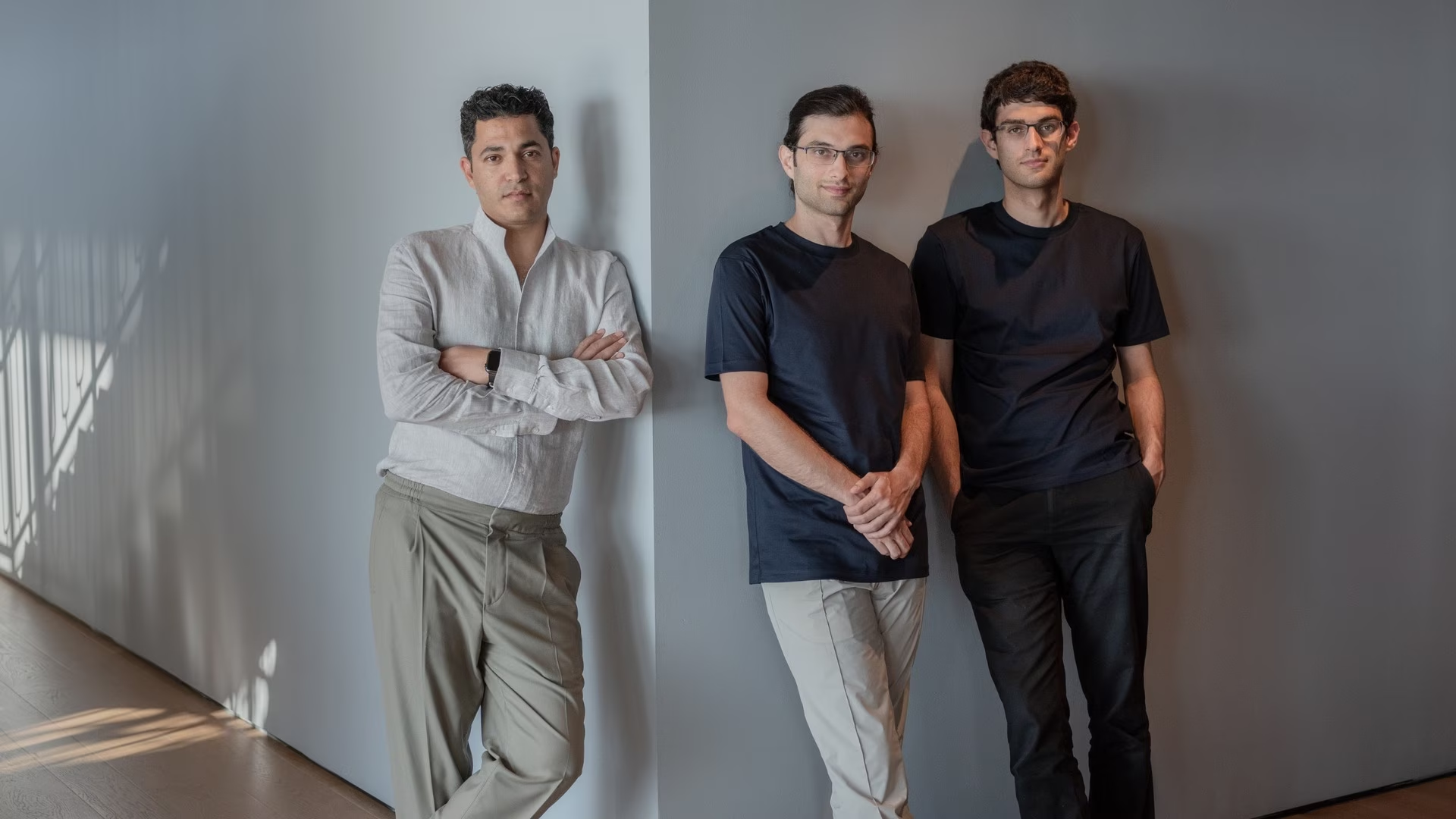 Amazon has agreed to buy the technology behind Decart’s AI optimisation software and to bring the Israeli startup’s three co-founders and their team into the company. Amazon announced the deal on Monday without giving a price. Amazon will pay about $7.5bn for the assets, a person familiar with the matter told Matt Day of Bloomberg. […] This story continues at The Next Web |
23/11/2026 04:10 PM | 3 | |
| 60,388 | 23/11/2026 03:30 PM | Trump says he gave Nvidia’s board assurances before Jensen Huang’s return | trump-says-he-gave-nvidias-board-assurances-before-jensen-huangs-return | 23/11/2026 | 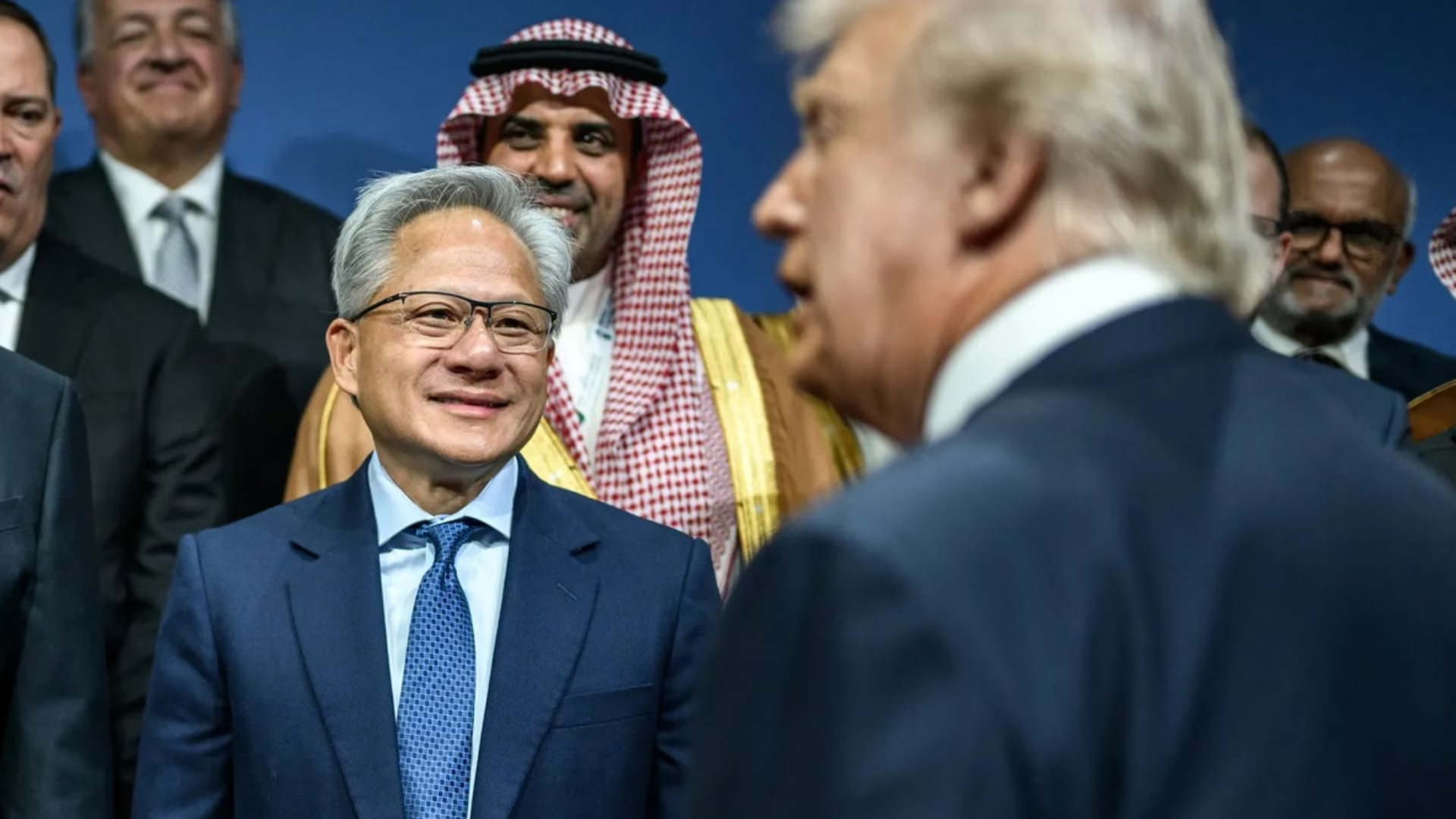 President Donald Trump says he spoke to Nvidia’s board “directly and indirectly” before it reinstated Jensen Huang, and gave it assurances on national security. He told CNBC’s Eamon Javers in a phone interview on Monday, Dan Mangan reported for CNBC. “They did ask for assurance on the national security threat. And we gave him assurance […] This story continues at The Next Web |
23/11/2026 04:10 PM | 3 | |
| 60,379 | 23/11/2026 02:54 PM | Rene Haas will lead Arm through 2033 and become SoftBank vice chairman | rene-haas-will-lead-arm-through-2033-and-become-softbank-vice-chairman | 23/11/2026 | 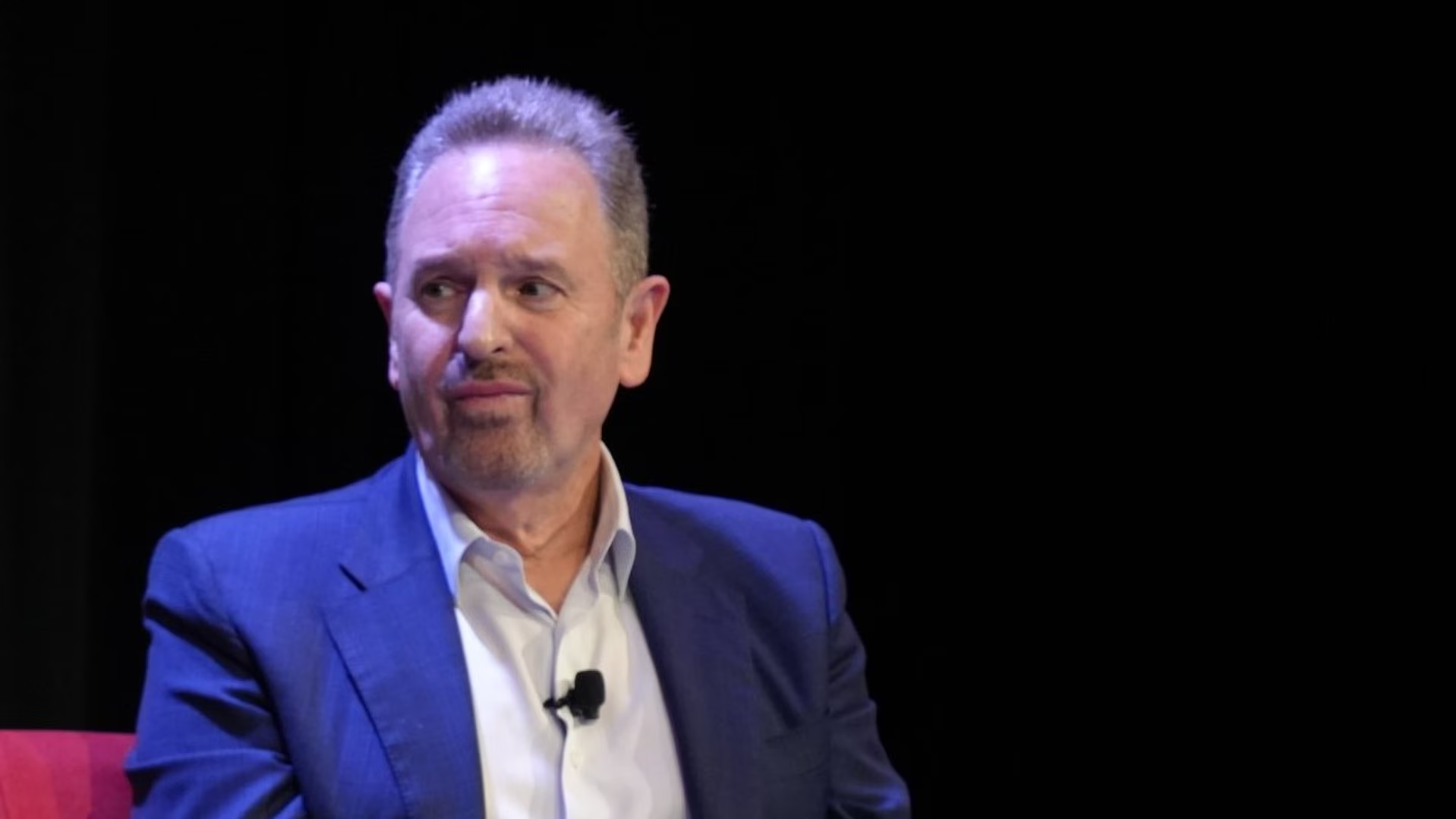 Arm chief executive Rene Haas has signed a new agreement to lead the chip designer through 2033. He will also become vice chairman of SoftBank Group, Arm’s largest shareholder, on 1 December, Arm announced on Monday. “I’ve never been more confident about Arm’s future. I believe deeply in our people, our strategy and the opportunity […] This story continues at The Next Web |
23/11/2026 03:10 PM | 3 | |
| 60,378 | 23/11/2026 02:53 PM | Jensen Huang reinstated as Nvidia CEO following “input” from US government | jensen-huang-reinstated-as-nvidia-ceo-following-input-from-us-government | 23/11/2026 | Jensen Huang has been reinstated as CEO and president of Nvidia, the Nvidia board announced today, in a shock announcement. The Nvidia board said it had voted unanimously to reinstate Huang, who resigned earlier this month, following reports of extramarital affairs, including with a businesswoman US authorities suspected of spying for China. Huang admitted he had an affair with the woman who was allleged to be a Chinese spy. Huang, the Nvidia co-founder, is synonymous with Nvidia, which is the US tech firm powering much of the AI revolution. Hs is returning as leader wiith immediate effect, the board said. Nvidia said its decision to reinstate Huang came after “input from senior levels of the United States government". The decision follows President Donald Trump on Sunday night posting on social media: “I hope the Board of Nvidia rehires Jensen Huang. It would be the best thing for the Company, and also, for the USA." In a statement, the board said: “The Board of Directors voted unanimously to reinstate Mr Huang following a series of discussions and meetings with Mr Huang, after which the Board was satisfied with respect to Mr Huang’s candor and ability to lead Nvidia. "In the process of reaching its decision, the Board received input from senior levels of the United States government, and based on that input, the Board is confident that Mr Huang’s reinstatement poses no national security risk." “The Board believes Jensen is the right person to lead Nvidia, and that his reinstatement is in the best interests of our stockholders, employees, partners and customers,” said Harvey C. Jones, Chair of the Board. “We have every confidence in Jensen and look forward to working with him as he resumes his leadership of the Company. We are grateful to Colette Kress for her outstanding service as interim CEO, in addition to her continuing responsibilities as Nvidia's Chief Financial Officer.” President Trump endorsed the decsion, saying the board had "made the correct and proper decision". Image: ChatGPT |
23/11/2026 03:10 PM | 1 | |
| 60,389 | 23/11/2026 02:42 PM | OPINION: Europe’s rearmament risks creating empty factories | opinion-europes-rearmament-risks-creating-empty-factories | 23/11/2026 | Weapons factories are springing up all over Europe as proof, many say, that the continent is taking its rearmament seriously. It seems so simple. Build factories, manufacture arms and kit, and Europe, faced with aggression on its eastern flank and the changing realities of a complex, multipolar world, will be able to take care of itself and its interests after decades of low defence investment. Of course, it is not so simple. Because supply chains, the networks of production and distribution on which all manufacturing relies, are not all in Europe, and do not scale in proportion to manufacturing. To think that they do is to believe, wrongly, that a company may get funding, massively improve its production capacity, and never have to worry that a chip, or some unusual component, might stop it from manufacturing anything. Factories do not exist in isolation: they rest on broad industrial foundations, the absence of which means they cannot deliver. Hence Europe cannot both rebuild its defence industry and let its wider industrial base atrophy. To ramp up military manufacturing is also to ramp up manufacturing as such. The industrial policy questionThe question, then, relates not to whether Europe has enough factories. Indeed, weapons factories are expanding at three times the rate they did in peacetime, covering some 7 million square metres of new industrial development, but whether Europe is pursuing the right industrial policy. For decades, parts of Europe have gone in precisely the wrong direction: France through de-industrialisation, and Germany through policies that suggested defence manufacturing, direct or indirect, was something to be avoided. Whether such a policy is right depends on the kind of technology involved. For instance, there are emerging forms of technology, such as those developed by SpaceX, which in effect shape and scale the whole market. The companies making these kinds of products may need components at a volume that has never been needed, limiting vendors and capacity. On the other hand, there are technologies that have a mature market, developed by companies that are just a tiny proportion of that market; the supply chains can thus absorb additional demand without trouble. Between these two poles are the kinds of technologies whose market is developing. Here, supply can grow along with the manufacturers, but there needs to be some shared certainty about the future of that market and coordination, usually from the government, as well as long-term buying commitment that justify the investment from suppliers. When markets cannot meet demandIn the eyes of some European governments, all technology belongs to this second class. In other words, it’s as if suppliers and manufacturers will expand together so long as there is demand. But in my own world of optical communications and in similarly advanced fields, such as quantum, this just isn’t the case. There is no real market to speak of; suppliers may lack both confidence and capital; and, in short, governments have to step in to ensure that there is the supply, the talent and the sourcing to support the manufacturer as they increase capacity. In practice, they may need to invest in shared facilities or make long-term buying commitments. Supply chains are ecosystems, not chainsIn many ways, the term supply chain is an unhelpful metaphor. It isn’t really a chain, with various links along the way. It’s more of a network, or an ecosystem. Components are not homogeneous; some are sourced from mature markets, others from small ones, others from highly specialist ones. An advanced system is made up of a wide range of parts all at different phases of industrial maturity. All require a different approach to sourcing. All come with their own challenges. You can replace a standard part because there is plenty of supply. That isn’t true for a highly specialist one. Indeed, some may not be replaceable. Here, governments must think hard about what is easy to buy, what requires coordination from its suppliers, and what must have an industrial base built around it. Rearmament means reindustrialisationIf there is one point that I wish to get across in this piece, it is this: rearmament is not a simple matter of building factories. A factory can only produce what a factory produces if all the parts that make up the final product are there in sufficient quantities. Today, that means optics, machinery, advanced materials, and chips, as well as those individuals with the skill and experience to work with them, must be available. And until they are, a factory can only do so much. It certainly cannot drive European rearmament. The hard but necessary question that European policymakers need to ask themselves is whether the network of suppliers on which factories rely are in place, and sufficiently sophisticated to support the mass-production of arms and equipment for the long term. If the answer to that question is no, then defence-industrial growth is at an impasse. More defence factories means, or ought to mean, stronger, broader industrial ecosystems in which defence is just one major area of output among many. Effective European rearmament is European reindustrialisation. Perhaps the real risk here is mistaking what looks like rearmament for rearmament proper, and growing complacent when, to state the obvious, constant vigilance and effort are what’s required. We in Europe must rebuild the industrial base that makes defence factories possible. The post OPINION: Europe’s rearmament risks creating empty factories appeared first on EU-Startups. |
23/11/2026 04:10 PM | 6 | |
| 60,380 | 23/11/2026 02:36 PM | Trump says the US has no evidence against Huang as spy probes continue | trump-says-the-us-has-no-evidence-against-huang-as-spy-probes-continue | 23/11/2026 | 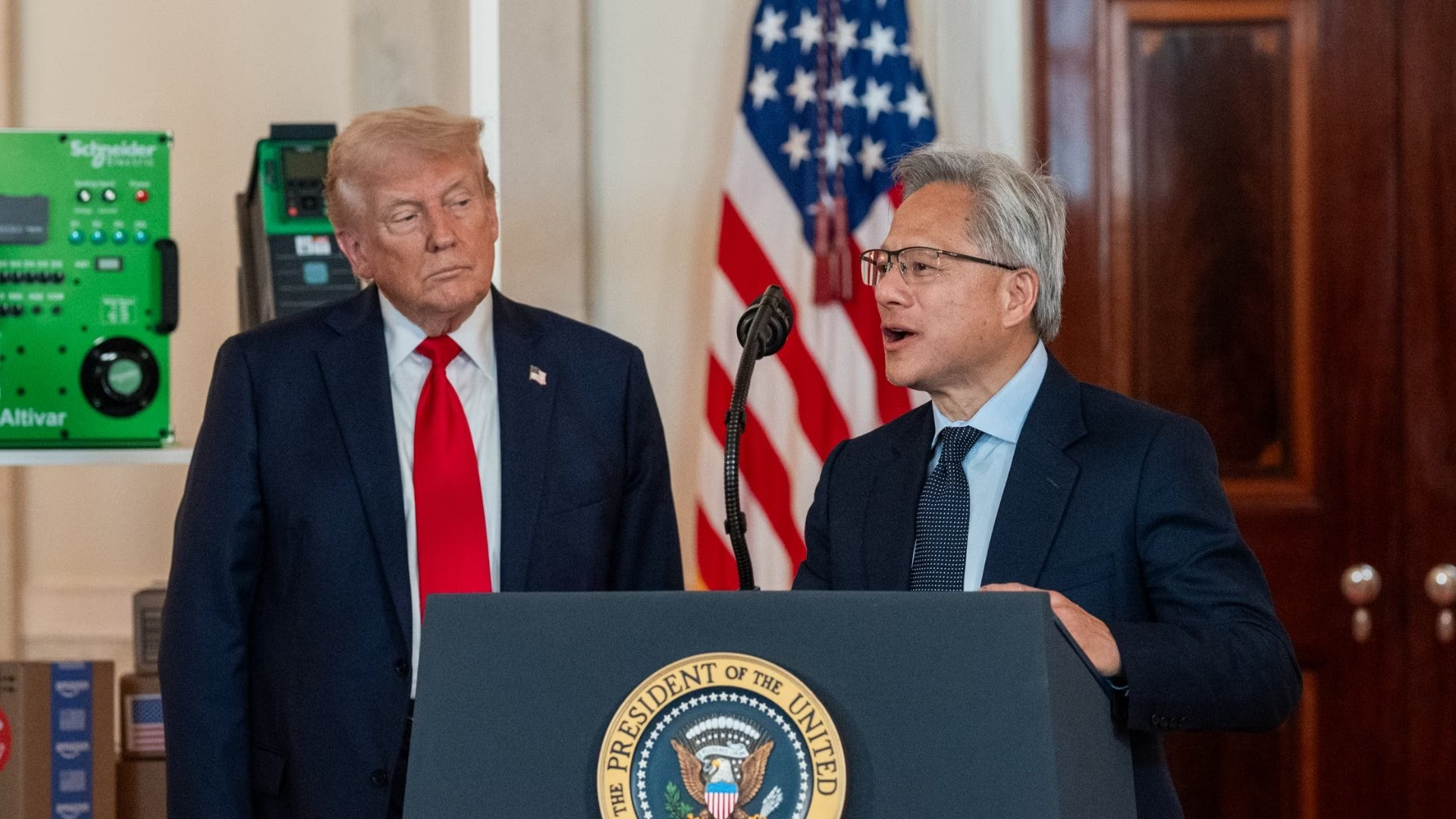 President Donald Trump said the US government has no evidence that Jensen Huang broke the law. He wrote it in a post on Truth Social hours after Nvidia’s board reinstated Huang as chief executive on Monday. The Attorney General had confirmed it, Trump said. He added that the government had no reason to believe Huang’s […] This story continues at The Next Web |
23/11/2026 03:10 PM | 3 | |
| 60,384 | 23/11/2026 02:27 PM | Jensen Huang Is Back as Nvidia CEO | jensen-huang-is-back-as-nvidia-ceo | 23/11/2026 | The company’s board of directors has reinstated Huang a little more than a week after the CEO resigned amid allegations of multiple affairs, including with a direct report. | 23/11/2026 03:10 PM | 4 | |
| 60,381 | 23/11/2026 02:23 PM | Meta rethinks its 2030 net zero goal as emissions jump 45% | meta-rethinks-its-2030-net-zero-goal-as-emissions-jump-45percent | 23/11/2026 | 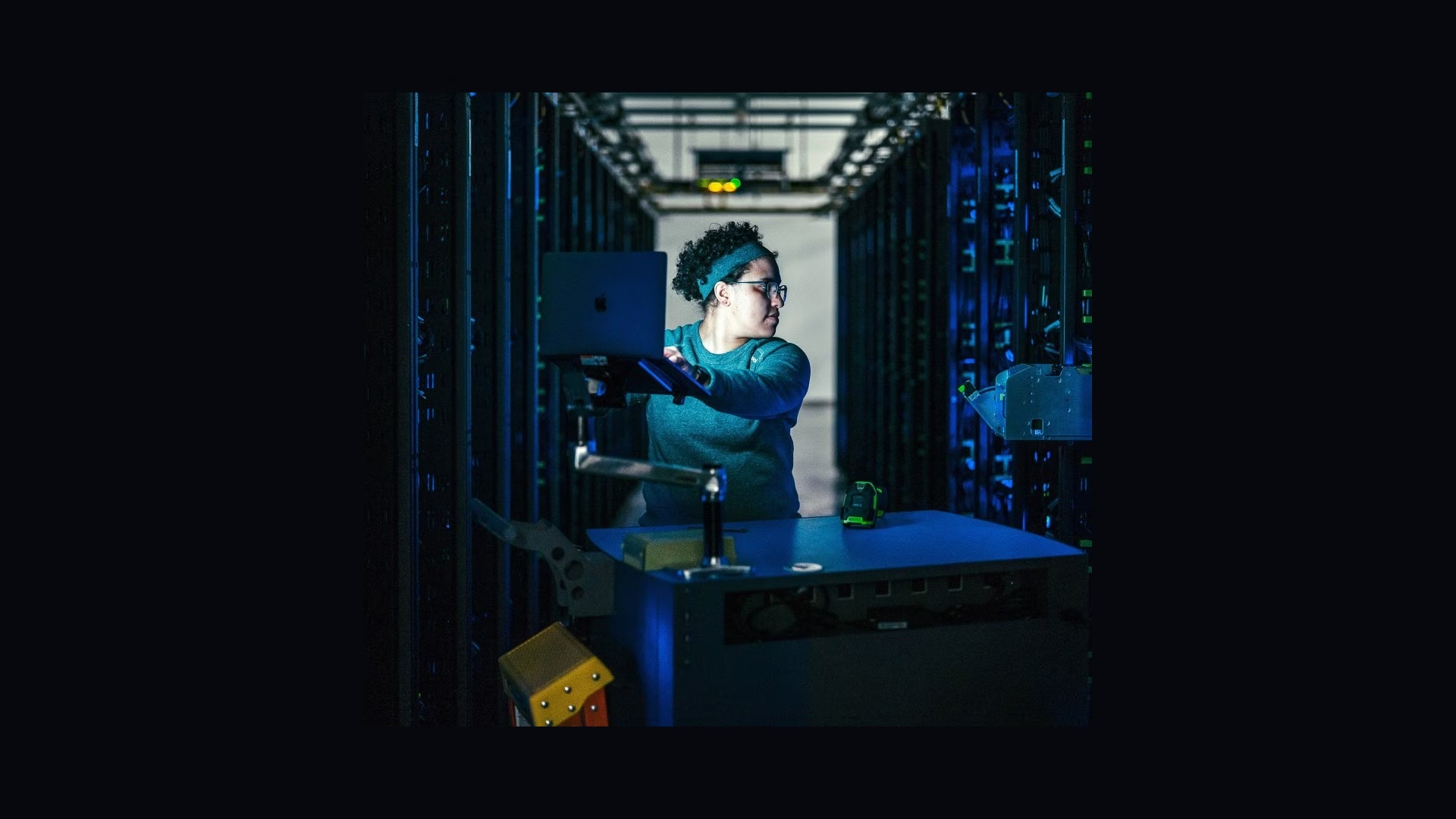 Meta is re-evaluating its goal of net zero emissions by 2030 after its net emissions rose 45% in 2025. They reached 11.8 million tonnes of CO2 equivalent, Meta said in its 2026 sustainability report on 19 November. The report puts the rise down mainly to purchased goods and capital goods, such as data centre hardware. […] This story continues at The Next Web |
23/11/2026 03:10 PM | 3 | |
| 60,382 | 23/11/2026 02:13 PM | Nvidia reinstates Jensen Huang as CEO less than two weeks after he resigned | nvidia-reinstates-jensen-huang-as-ceo-less-than-two-weeks-after-he-resigned | 23/11/2026 | 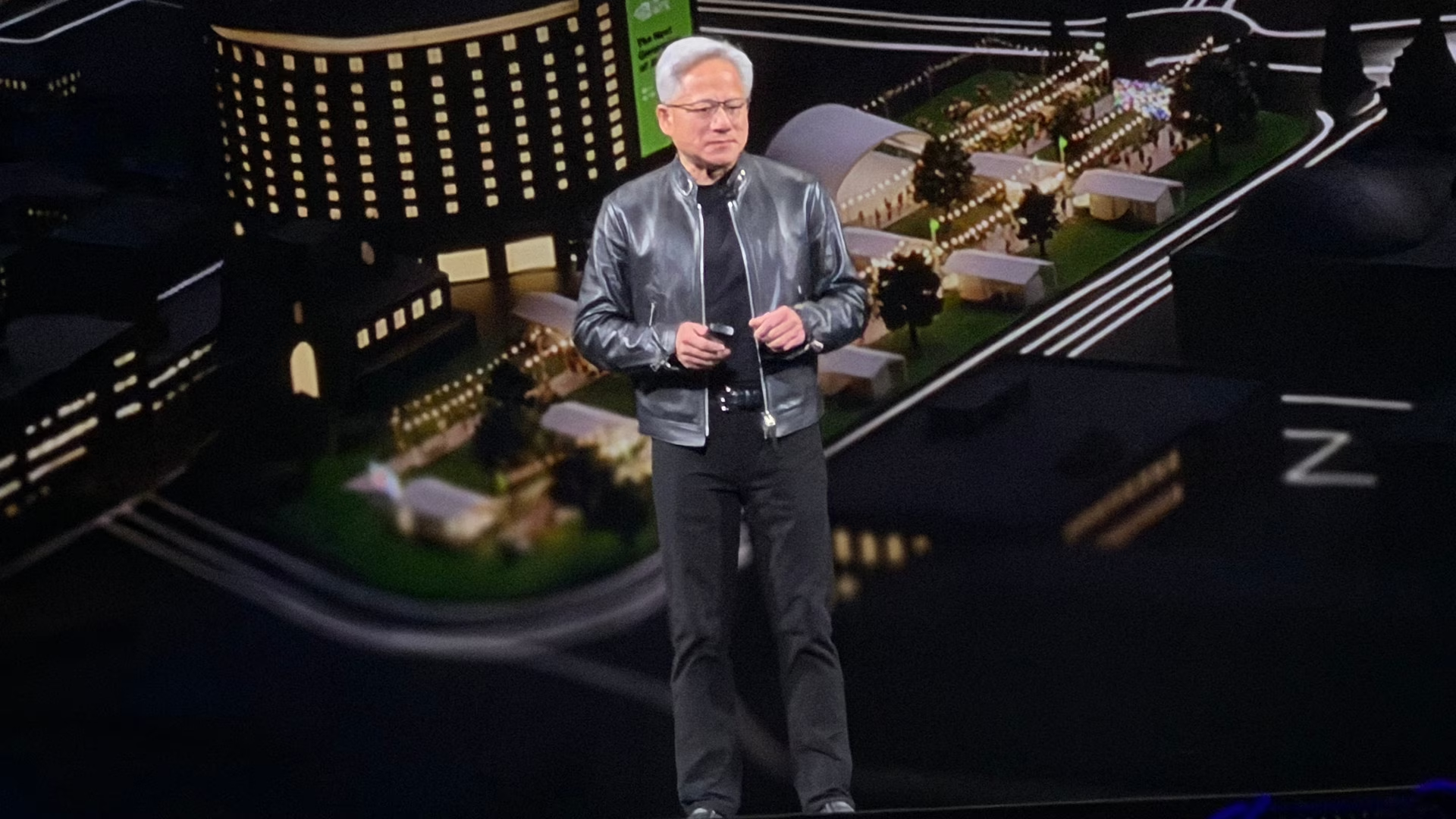 Jensen Huang is back as Nvidia’s president and chief executive, and as a member of its board, less than two weeks after he resigned from the company. The change is effective immediately, Nvidia announced on Monday. The board voted unanimously to reinstate him after a series of discussions and meetings with Huang. Those talks left […] This story continues at The Next Web |
23/11/2026 03:10 PM | 3 | |
| 60,383 | 23/11/2026 02:09 PM | Google will shut the Nest app in January and swap Assistant for Gemini | google-will-shut-the-nest-app-in-january-and-swap-assistant-for-gemini | 23/11/2026 |  Google will shut down the Nest app on 25 January 2027 and move every Nest device into the Google Home app. It will also retire Google Assistant on its speakers and smart displays on 2 August 2027, replacing it with Gemini for Home, the company said in a post on its Google Home community forum […] This story continues at The Next Web |
23/11/2026 03:10 PM | 3 | |
| 60,371 | 23/11/2026 02:00 PM | Team8 launches Infra Village at NYSE and announces Next AI Leaders of 2027 | team8-launches-infra-village-at-nyse-and-announces-next-ai-leaders-of-2027 | 23/11/2026 | 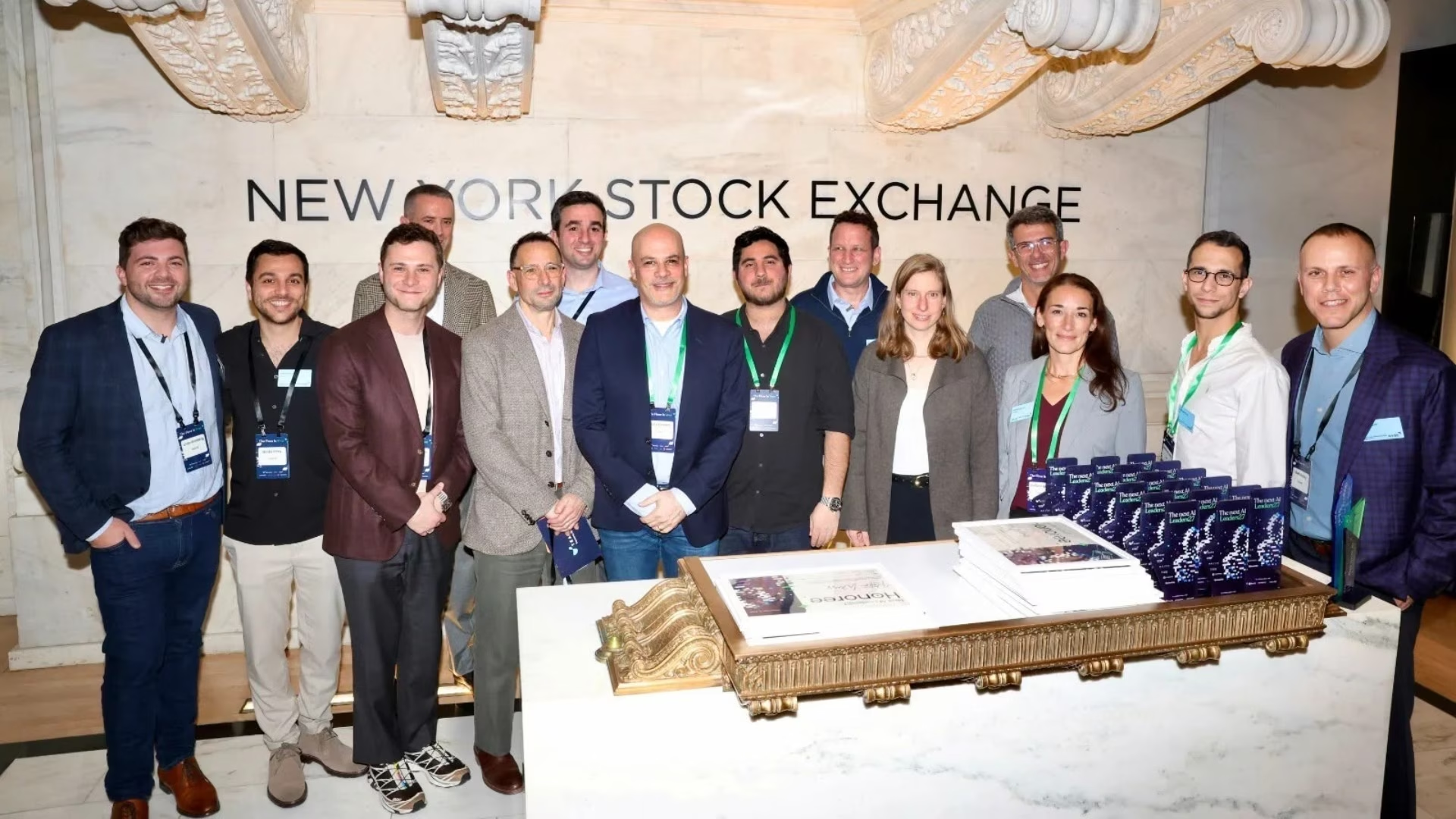 The next phase of enterprise AI may be defined less by the models themselves and more by the systems required to deploy them across businesses. Compute, inference, data, developer tooling, observability, and security are becoming central to how organizations manage AI workloads. That creates a new set of challenges for enterprise technology leaders. Team8 is […] This story continues at The Next Web |
23/11/2026 02:10 PM | 3 | |
| 60,374 | 23/11/2026 01:56 PM | Defence startup Agon raises $70m backed by Northzone and Lakestar | defence-startup-agon-raises-dollar70m-backed-by-northzone-and-lakestar | 23/11/2026 | 23/11/2026 02:10 PM | 5 | ||
| 60,390 | 23/11/2026 01:40 PM | UK-based Agon raises €63.98 million at €411.3 million valuation to build Europe’s sovereign defence AI infrastructure | uk-based-agon-raises-euro6398-million-at-euro4113-million-valuation-to-build-europes-sovereign-defence-ai-infrastructure | 23/11/2026 | Agon, a London-based defence AI startup building sovereign infrastructure for autonomous military systems, has raised a €63.87 million ($70 million) Series A round at a valuation of €411.3 million ($450 million). The round was led by Northzone with participation from returning investors Lakestar, XYZ, Lux Capital, and Global Founders Capital. The UK Government’s Sovereign AI Fund and the National Security Strategic Investment Fund (NSSIF) also joined the round, marking their first joint investment. Roelof Botha, the former head of Sequoia Capital, has come on board as a personal investor. “AI is rapidly transforming how wars are fought, from the use of drones through to how rapidly soldiers can interpret battlefield information. The UK needs sovereign defence AI capabilities to bolster our national security in this new era,” said Kanishka Narayan, UK Minister for AI. The investment from the UK Government’s Sovereign AI Fund forms part of the government’s broader Sovereign AI agenda. At the Budget, the Chancellor announced an additional £140 million for the Sovereign AI Fund, which will back promising early-stage AI companies with a meaningful UK presence. The funding for Agon marks the fund’s expansion into a new focus area: Physical and Industrial AI, covering robotics, autonomous systems, and advanced manufacturing. Founded by former British Army officer and Anduril and Applied Intuition alumnus, Tristan Constant, alongside Junaid Hussain, co-founder of Cambridge Aerospace and Iconic, Agon wants to become Europe’s sovereign defence AI lab. Its primary product is a synthetic virtual lab, a virtual training environment where AI models for autonomous defence systems can be tested rapidly and affordably against realistic battlefield simulations. The company, which has a second office in Berlin, has assembled talent from Anduril, Applied Intuition, Google, Helsing, Palantir, Amazon, and Havok, and is chaired by David Helgason, founder of gaming engine company Unity. The raise brings Agon’s total raised to date to €94.1 million ($100 million), following its emergence from stealth earlier this year with €28 million in Seed capital. “Agon was born out of a project to bring together a coalition of European founders, operators, researchers, veterans, investors, and governments to build what we collectively believe to be urgently needed for our sovereignty and safety. Europe cannot afford to outsource the foundational AI capabilities on which its future security will depend. We founded Agon to build that capability here, giving European defence the infrastructure and models it needs to retain technological advantage,” said Hussain, co-founder of Agon. The bulk of the fresh capital will go towards recruiting world-class AI researchers and funding the significant compute infrastructure requirement to run a full-scale AI lab. “Europe is in an AI arms race as we enter the era of agentic warfare: intelligent agents and machines that will need to understand their environment, make decisions and adapt at a speed and scale that humans alone cannot match,” said Constant, co-founder and CEO of Agon. Agon wants to become the foundational AI platform for European autonomous defence, developing and training the foundation models that the continent’s military system will rely on. “We exist to build the sovereign infrastructure and AI foundation models to allow us to train, test, and evolve autonomous defence systems – in Europe, for Europe – to outperform adversary capabilities,” added Constant. The post UK-based Agon raises €63.98 million at €411.3 million valuation to build Europe’s sovereign defence AI infrastructure appeared first on EU-Startups. |
23/11/2026 04:10 PM | 6 | |
| 60,372 | 23/11/2026 01:21 PM | Why AI transformation requires more than just the right technology | why-ai-transformation-requires-more-than-just-the-right-technology | 23/11/2026 |  Businesses are discovering a hard truth about AI: It’s not a surefire way to improve efficiency, productivity or sales. For instance, the findings from a 2025 study on corporate AI transformation concluded that only five percent of companies that incorporated AI into their processes saw any substantial return on investment (ROI). In other words, 95% […] This story continues at The Next Web |
23/11/2026 02:10 PM | 3 | |
| 60,373 | 23/11/2026 01:17 PM | European Mercury probe BepiColombo enters orbit despite software glitch | european-mercury-probe-bepicolombo-enters-orbit-despite-software-glitch | 23/11/2026 |  Eight years after leaving Earth, the BepiColombo spacecraft is finally circling Mercury. The European Space Agency confirmed on Saturday that the probe had entered orbit around the solar system’s smallest planet, only the second spacecraft ever to pull it off. The make-or-break engine burn began at 18:24 UTC on Saturday, slowing the spacecraft enough for […] This story continues at The Next Web |
23/11/2026 02:10 PM | 3 | |
| 60,370 | 23/11/2026 01:07 PM | Sign up for the first London tech chess night | sign-up-for-the-first-london-tech-chess-night | 23/11/2026 | 23/11/2026 01:10 PM | 5 | ||
| 60,366 | 23/11/2026 01:01 PM | Google.com swaps its Search button for three AI buttons and a sidebar | googlecom-swaps-its-search-button-for-three-ai-buttons-and-a-sidebar | 23/11/2026 |  Google has removed the Google Search button from its desktop homepage for signed-in users and put three AI buttons in its place: “Create images”, “Ask about files” and “Brainstorm”. The “I’m Feeling Lucky” button stays. Google tested the buttons on signed-out users in August. The homepage is also getting a collapsible sidebar that lists recent […] This story continues at The Next Web |
23/11/2026 01:10 PM | 3 | |
| 60,367 | 23/11/2026 01:00 PM | Levenza launches personal AI agents globally for the enterprise | levenza-launches-personal-ai-agents-globally-for-the-enterprise | 23/11/2026 |  Personal AI agents have become this year’s biggest breakthrough in consumer technology. Levenza is bringing them to the enterprise. The company announced the global availability of its AI agents, alongside its acquisition of Fluid Inference. Fluid Inference is an applied AI lab focused on ambient intelligence. Operating inside Teams, Slack and Outlook, Levenza’s agents proactively […] This story continues at The Next Web |
23/11/2026 01:10 PM | 3 | |
| 60,368 | 23/11/2026 12:57 PM | Virginia and Oregon sue Musk’s SpaceX over Grok’s sexual deepfakes | virginia-and-oregon-sue-musks-spacex-over-groks-sexual-deepfakes | 23/11/2026 |  Virginia and Oregon are taking Elon Musk’s SpaceX to court over Grok, as the two states filed separate but coordinated lawsuits on Monday. They accuse the company of profiting from an AI feature that makes sexual images of real people, children included, without their consent. The suits were announced by attorneys general Jay Jones and […] This story continues at The Next Web |
23/11/2026 01:10 PM | 3 | |
| 60,369 | 23/11/2026 12:36 PM | British AI agent Nous now manages $1bn in household bills | british-ai-agent-nous-now-manages-dollar1bn-in-household-bills | 23/11/2026 |  Nous, the London-built AI agent that looks after household bills, says it now manages more than $1bn in routine spending. The milestone lands less than two years after the product left beta, and a month after the company raised $17mn to expand beyond the UK. Nous raises $17M to expand its household AI agent beyond […] This story continues at The Next Web |
23/11/2026 01:10 PM | 3 | |
| 60,375 | 23/11/2026 12:33 PM | Is Silicon Valley turning its back on Europe? Plug and Play’s Thomas Bigagli weighs in | is-silicon-valley-turning-its-back-on-europe-plug-and-plays-thomas-bigagli-weighs-in | 23/11/2026 | Sequoia Capital’s decision to close its London office has reignited debate about the future of European innovation and the commitment of US investors to the continent – especially amid other departures including Andreessen Horowitz and Coatue. However, not all US investors in Europe share this gloomy outlook. Thomas Bigagli, Partner and Managing Director at Plug and Play, believes the move says more about Sequoia’s investment strategy than Europe’s ability to produce successful startups. On 4 November 2026, Silicon Valley-based Sequoia Capital announced it would close its London office, established in 2020, as part of a broader restructuring. The changes also include merging its early-stage and growth investment teams, simplifying its partnership structure, and discontinuing its Arc accelerator and Scouts programme. The announcement follows similar decisions by Andreessen Horowitz, which closed its London office in 2025, and Coatue, which withdrew in 2024, raising questions about whether international investors are reconsidering their physical presence in Europe. Speaking to EU-Startups, Thomas offered a different interpretation. “I wouldn’t necessarily interpret Sequoia’s decision as a lack of confidence in European entrepreneurship, but rather as a reflection of an evolving investment strategy and operating model. […] That is fundamentally different from saying that Europe no longer presents attractive investment opportunities.” Investing in Europe, or investing in its future?According to Thomas, Sequoia is moving towards a leaner, more centralised organisation capable of investing internationally without maintaining offices in every market. For established startups seeking growth capital and access to US networks, this approach can be effective. “However, it raises an interesting question about how international venture capital firms approach foreign markets: are you investing in an ecosystem, or are you genuinely invested in that ecosystem? There is a fundamental difference.” For Plug and Play, a Silicon Valley-based investment and innovation platform founded in 2006 by Saeed Amidi, maintaining local relationships remains central to its strategy. The firm operates across more than 70 locations worldwide, including over 25 in Europe, and works with more than 600 corporate partners. Its European journey began in Berlin in 2013, when it became the first investor in German fintech N26. Since then, its portfolio has expanded to include companies such as Owkin, Zama, Einride and FINN. Thomas explained that local teams enable investors to identify founders before fundraising begins, establish connections with universities and understand the needs of corporations and institutions. These relationships can also translate into commercial opportunities for portfolio companies. “Technology travels fast, but trust takes time.” Plug and Play doubles downThis long-term approach appears to be paying off. According to a PitchBook ranking cited by Thomas, Plug and Play is the most active US investor in European venture capital by deal count. “What I find particularly interesting about this ranking is that it is not the result of a recent strategic decision to invest in Europe. It reflects more than a decade of continuous investment in European ecosystems.” In 2022, the firm accelerated its regional investment activity by establishing a dedicated European investment committee and strengthening local decision-making. Thomas says its European portfolio has more than doubled since then. Looking ahead, Plug and Play plans to develop additional investment vehicles alongside European institutional investors, family offices and corporate limited partners. It is also strengthening its university partnerships and developing industry-focused AI Centres of Excellence to connect research, startups and established businesses. “We believe that some of the most valuable investment opportunities and competitive advantages are built through years of developing relationships, earning trust, and actively contributing to local ecosystems, rather than simply accessing them when attractive investment opportunities emerge.” Despite Sequoia’s departure, there are indications that American capital remains interested in European startups. According to PitchBook’s Q3 2026 European Venture Report, US investors participated in 22.2% of European venture rounds during the first nine months of 2026, the highest proportion recorded this decade. Recent EU-Startips coverage from 2026 provides further evidence that US investors remain active in Europe. On 17 November 2026, less than two weeks after announcing the closure of its London office, Sequoia Capital co-led a €4.5 billion Series C round for British AI drug-discovery company Isomorphic Labs, alongside Greenoaks, with Andreessen Horowitz also participating. Earlier in the year, Sequoia led ElevenLabs’ €424 million Series D, while Andreessen Horowitz backed Stockholm-based Pit’s €13.6 million funding round. Plug and Play, meanwhile, participated in Barcelona-based NeuralTrust’s €17.2 million Seed round, Lithuania’s Axiology (€5 million) and Sweden’s Solace Care (€2.1 million). Thomas expects this participation to continue, although investors may become more selective. “You cannot fully understand what is happening in Paris, London, Stockholm, Munich, Vienna, Warsaw, Lisbon, Milan or Barcelona simply by sitting in Silicon Valley. […] Ultimately, the importance of having a local presence depends on where and how you intend to create value as an investor.” Europe’s next big test: Scaling upThomas sees particularly strong opportunities where AI intersects with Europe’s established industrial and scientific capabilities, including robotics, advanced manufacturing, biotechnology, energy, healthcare, space technology and cybersecurity. “I believe Europe represents one of the most compelling and, in certain sectors, underestimated technology investment opportunities globally. [..] From an investment perspective, the best-performing European venture capital funds can generate returns comparable to their US counterparts.” However, he acknowledges that the continent still faces substantial obstacles to building global technology companies, particularly fragmented markets, limited growth-stage financing, slower technology adoption and weaker exit opportunities compared with the US. “Compared with the US, Europe suffers from market fragmentation, slower decision-making and technology adoption, limited access to growth capital, and insufficient institutional investment in venture capital. […] Europe does not have a talent or technology creation problem. It has a commercialisation, financing, scaling, and liquidity problem.” For Thomas, addressing these structural weaknesses will require stronger European growth funds, greater institutional investment and more opportunities for successful companies to remain and scale within the continent. “We need more success stories like Spotify, Revolut, and ElevenLabs. […] Europe should not aspire to become the next Silicon Valley. It should build its own model of technological leadership, inspired by its unique competitive advantages.” Where does this leave Plug and Play and the like?Ultimately, Sequoia’s restructuring illustrates how different investment philosophies are shaping international venture capital. While some investors are prioritising centralised operations, others see local presence as a competitive advantage. “We want to be more than an American investor investing in Europe. We want to be a long-term partner in building Europe’s next generation of global technology leaders.” And although Thomas would not be surprised if additional US firms followed Sequoia’s example, Plug and Play has no intention of joining them. “We don’t see this as a reason to reconsider our European presence. Quite the opposite.” The post Is Silicon Valley turning its back on Europe? Plug and Play’s Thomas Bigagli weighs in appeared first on EU-Startups. |
23/11/2026 02:10 PM | 6 | |
| 60,376 | 23/11/2026 12:13 PM | OPINION: AI will favour the companies built for AI, not adapted to it | opinion-ai-will-favour-the-companies-built-for-ai-not-adapted-to-it | 23/11/2026 | For decades, business leaders have been warned that the impending arrival of a new technology will completely reorder the corporate world. But for the best part of the last thirty years, it did not. The web, mobile phones, cloud computing and social media, for example, were all predicted as disruptors that would sweep the incumbents aside. With AI, however, the warning deserves more consideration. The reason is less to do with the technology itself, but rather who is best placed to use it, and that is increasingly becoming startups, rather than established companies. The web didn’t break incumbentsThe common story of the web is that of upstarts bringing down giants, and the rankings seem to agree. The world’s most valuable company in 1995 was a Japanese telephone operator. In the same year, Microsoft barely made number twenty on the list and Nvidia was just a startup. Today Microsoft, Nvidia, Apple, Amazon and Alphabet lead the rankings, and just six of the largest companies in 1995 remain in the top thirty. Though on closer examination, the incumbents were not the disasters the ranking implies. Companies such as Exxon, Coca-Cola and Toyota, more than tripled their combined revenue between 1994 and 2024, meanwhile Microsoft grew more than fiftyfold. The web gave them access to better logistics, cheaper computing and wider reach. Oil companies could use better software without becoming software companies. Carmakers could run a more efficient supply chain. And a wealthier world could buy more cars, soft drinks and pharmaceuticals. The incumbents benefited from the technologies that were supposed to be disrupting them. It is therefore unsurprising that business leaders often meet warnings about AI with scepticism. Where AI goes further than the webThe businesses that didn’t survive the dawn of the web, such as film rentals and newspaper classifieds, were not simply slow to adapt, they were substituted. The web typically made companies more productive rather than redundant. AI shifts this balance. While early digitisation took information and transactions online, real people were still responsible for interpreting information, exercising judgement and making decisions. AI can now take on a substantial share of that work. This raises the question of substitution again, but this time for jobs that sit inside offices, rather than on high streets. The startup advantageThe existing structure of established companies is built around human specialisation. Different departments and systems to coordinate different skillsets. While this structure made scale possible, it now makes it difficult to rethink how work can be done, which is why simply introducing AI into existing roles can often fall flat. Startups have the benefit of starting from scratch, they can design their business around AI from the outset. A small team can now do the work of hundreds, and the ones who remain can serve customers, handle expectations and set the direction of the business. In the web era, startups predominantly sold tools to incumbents. Today, startups can enter the same markets as established players, but with fewer layers and at a fraction of the cost. The difference is design, not effort. Hospitals, nurseries and restaurants will always need their existing structures, but if your employees are knowledge workers, AI can be the foundation for a far more efficient and cost effective company. What decides the contestIncumbents have spent decades building their customer trust, brand, proprietary data and deep expertise. While these are incredibly valuable assets, they are merely a headstart, not a guarantee. The contest will now likely become one of speed. Startups have to earn trust and knowledge, and incumbents must rebuild how their organisation works. The second task may be more difficult. Startups can earn trust through transparency and delivering good work. For incumbents, the challenge is to dismantle a structure that employs and rewards the people they have to depend on to change it. Build the company that replaces yoursRather than looking for ways for AI to improve their current organisations, business leaders should instead ask how they would build them today, with no existing structure. Incumbents should not throw away what they have already built, but they can decide which parts add actual value. However, that is also to say the organisational architecture that implements those advantages are blocking a new way of working. So the question now becomes; if you were starting from scratch today, how would you build a company designed to put yourself out of business? Then find a way to build it first. The post OPINION: AI will favour the companies built for AI, not adapted to it appeared first on EU-Startups. |
23/11/2026 02:10 PM | 6 | |
| 60,365 | 23/11/2026 12:00 PM | Submit Your Questions: Will Anyone Keep You Safe From AI? | submit-your-questions-will-anyone-keep-you-safe-from-ai | 23/11/2026 | Experts agree that AI, in one way or another, poses real danger. Will the industry do anything about it? Join our livestream on December 2 to hear your questions answered. | 23/11/2026 12:10 PM | 4 |